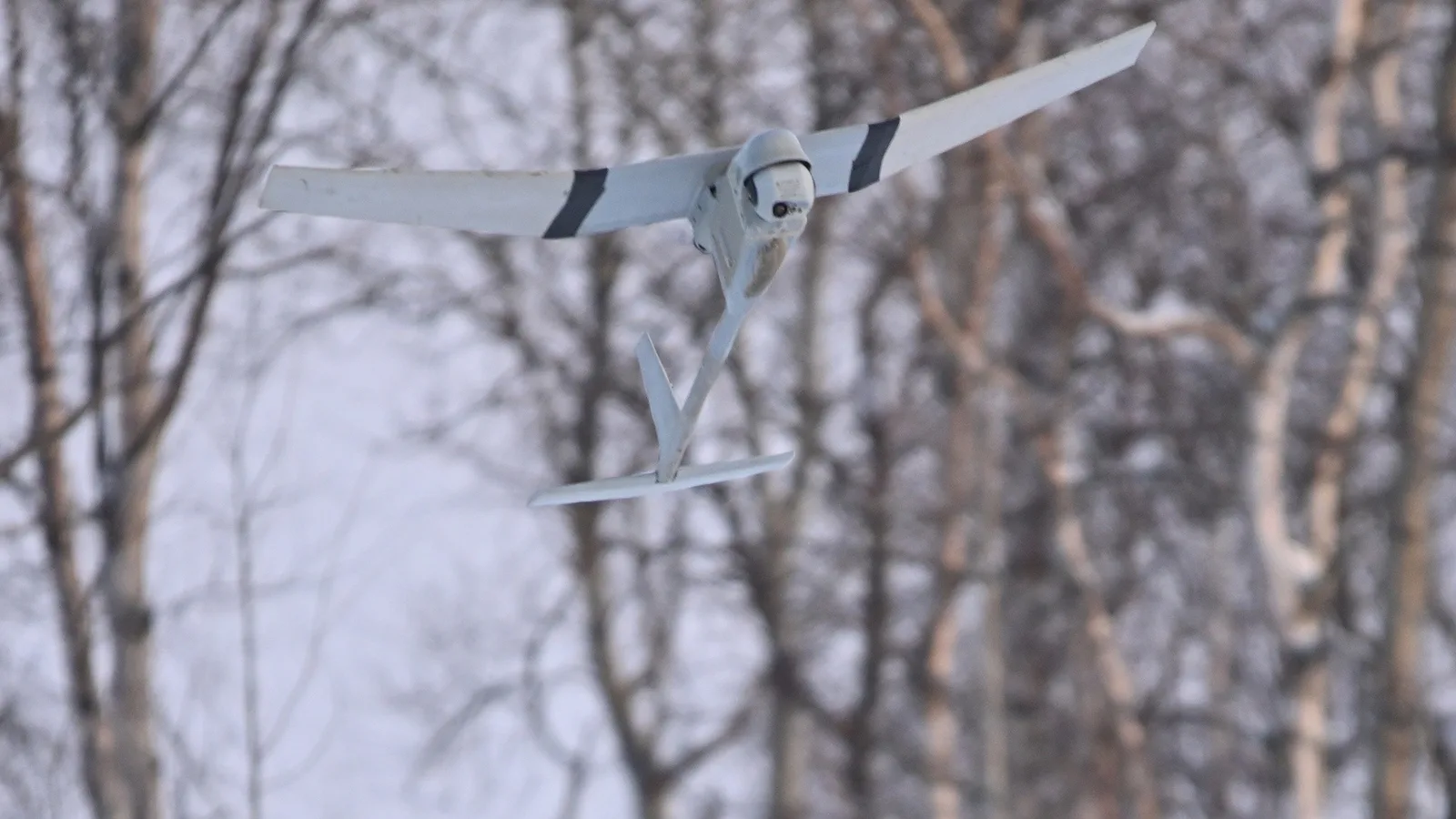
The Canadian Army wants a domestically produced surveillance drone able to operate at −40°C, setting a concrete cold-weather requirement within its broader MINERVA push for uncrewed systems.
The Arctic Uncrewed Air System challenge, sponsored by the Department of National Defence (DND), specifies a minimum 20-kilometre operational radius and 90-minute endurance. Proposals are due by 14:00 Eastern time on 24 September 2026.
MINERVA links Arctic surveillance with battlefield logistics
In a 16 September update, National Defence outlined six MINERVA challenges being released through Innovative Solutions Canada (ISC), a program of Innovation, Science and Economic Development Canada (ISED).
They cover Arctic aerial surveillance, aerial intelligence and reconnaissance, drone airspace deconfliction, airborne cargo and munition delivery, ground reconnaissance, and tactical cargo movement by ground robots.
Army demonstrations at Valcartier and Petawawa gave companies an opportunity to see operational problems directly. A further discussion at Canadian Forces Base Gagetown is planned for late September, focusing on how uncrewed aircraft share airspace with other users.
Arctic UAS prototype contracts come before fleet purchases
The Arctic solicitation offers up to C$500,000 per Phase 2 prototype contract, with five contracts estimated and projects lasting up to 15 months. It does not guarantee all five awards. Mandatory requirements include a maximum takeoff weight of 25 kilograms and a ground controller usable with winter gloves. These are requested capabilities, not demonstrated performance by a selected aircraft. Source: Arctic challenge.
The development route is distinct from the initial Defence Drone Initiative Marketplace contracts already covered by Anvil North. MINERVA’s immediate story is the Army’s problem definition and prototype competition.
Why the cold-weather requirement matters
Anvil North’s assessment is that a combined temperature, range and endurance requirement provides a more useful signal to industry than a general call for more drones. It gives aircraft developers and their suppliers a defined operating problem against which to judge a proposed solution.
The useful comparison will be between the requirement and results from prototype testing. A successful proposal would begin that process; it would not establish that the Army has acquired an operational Arctic drone fleet.