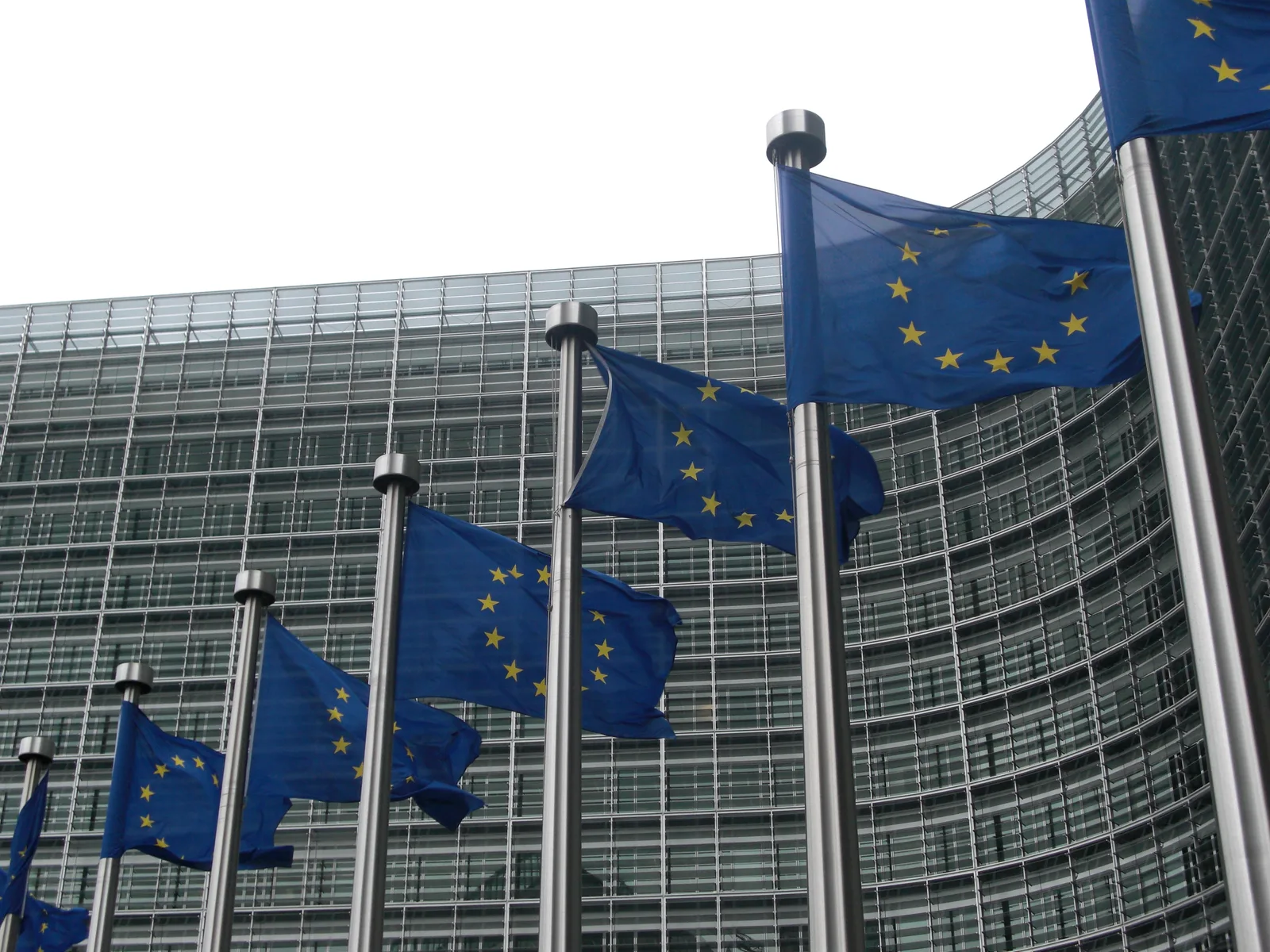

Canada is negotiating participation in the European Union’s €90-billion Ukraine Support Loan, a move that could open another route for Canadian defence manufacturers to supply Ukraine.
European Commission spokesperson Balazs Ujvari confirmed on 18 September that technical discussions were continuing, including negotiations over Canada’s contribution to borrowing costs. Participation would expand the pool of suppliers available to Ukraine; it would not increase the facility’s overall size. The Commission had not announced a completed Canadian agreement.
For Canadian industry, the distinction is consequential. A financing arrangement can determine which products a customer can buy, even when a supplier already has a suitable system. Access would remove one potential barrier to competing for Ukrainian orders, while leaving manufacturers to meet the customer’s requirements, production schedules and procurement rules.
How the Ukraine Support Loan finances defence procurement
The Council of the European Union finalized the €90-billion framework in April for Ukraine’s needs in 2026 and 2027. Its indicative allocation divides the money between €30 billion in macroeconomic support and €60 billion for defence industrial capacity and procurement.
The EU raises the funds on capital markets, with borrowing backed by headroom in its budget. The framework finalized by the Council of the EU envisages repayment through reparations due from Russia. The defence allocation supports Ukraine’s ability to obtain equipment and strengthen production; it is not a fund reserved for Canadian exporters.
This creates two distinct questions for suppliers: whether their products qualify for financing and whether Ukraine selects them. Canadian participation would address the first question. It would not settle the second.
What Canada needs to agree with the European Commission
The Commission identified three principal conditions for third-country participation: substantial military and financial support for Ukraine, a security and defence partnership with the EU, and agreement on a contribution to borrowing costs.
Ujvari cited Canada’s existing agreement under Security Action for Europe, or SAFE, as relevant to the partnership requirement. He said the purpose of the talks was to let Canadian industry participate without needing a derogation. No Canadian contribution amount was disclosed in the briefing.
The eventual terms will therefore matter as much as the political announcement. Manufacturers will need to understand the covered products, applicable origin requirements and procurement procedures before treating participation as a usable sales channel.
Why Canada’s SAFE agreement matters
Canada already has a separate route into European defence procurement through SAFE. The EU and Canada signed that agreement on 14 February, and the Council concluded it on 15 June. It followed their June 2025 security and defence partnership.
SAFE supports procurement through loans to participating EU member states. The Ukraine Support Loan serves a different borrower and purpose. Canada’s SAFE relationship helps establish its eligibility for the new discussions, but the two instruments retain their own terms.
Canadian firms should consequently avoid assuming that a product’s treatment under one mechanism automatically carries over to the other. The relevant agreement and procurement documentation will govern each opportunity.
The United Kingdom provides a precedent
The United Kingdom has already completed a comparable process. On 22 July, EU countries approved British participation in the Ukraine Support Loan following an agreement on the UK’s contribution to borrowing costs. The arrangement allows Ukraine to procure eligible equipment from British manufacturers.
That precedent demonstrates a workable participation route. It does not establish what Canada will pay, which Canadian products will be selected or how quickly contracts could follow.
What access could mean for Canadian defence suppliers
Canada is also developing domestic procurement channels, including its initial Defence Drone Innovation Marketplace contracts. Those awards and potential access to EU-financed Ukrainian purchases are separate developments. An award under a Canadian program does not establish eligibility or an order under the Ukraine Support Loan.
The commercial opportunity would be strongest where Canadian production can satisfy a funded Ukrainian requirement within the required delivery window. That puts production capacity, support arrangements and delivery credibility alongside the equipment’s technical performance.
The next substantive milestone is a completed participation agreement. After that, the evidence of industrial benefit will be individual procurement decisions, signed orders and deliveries—not the headline value of the loan.