.jpg)
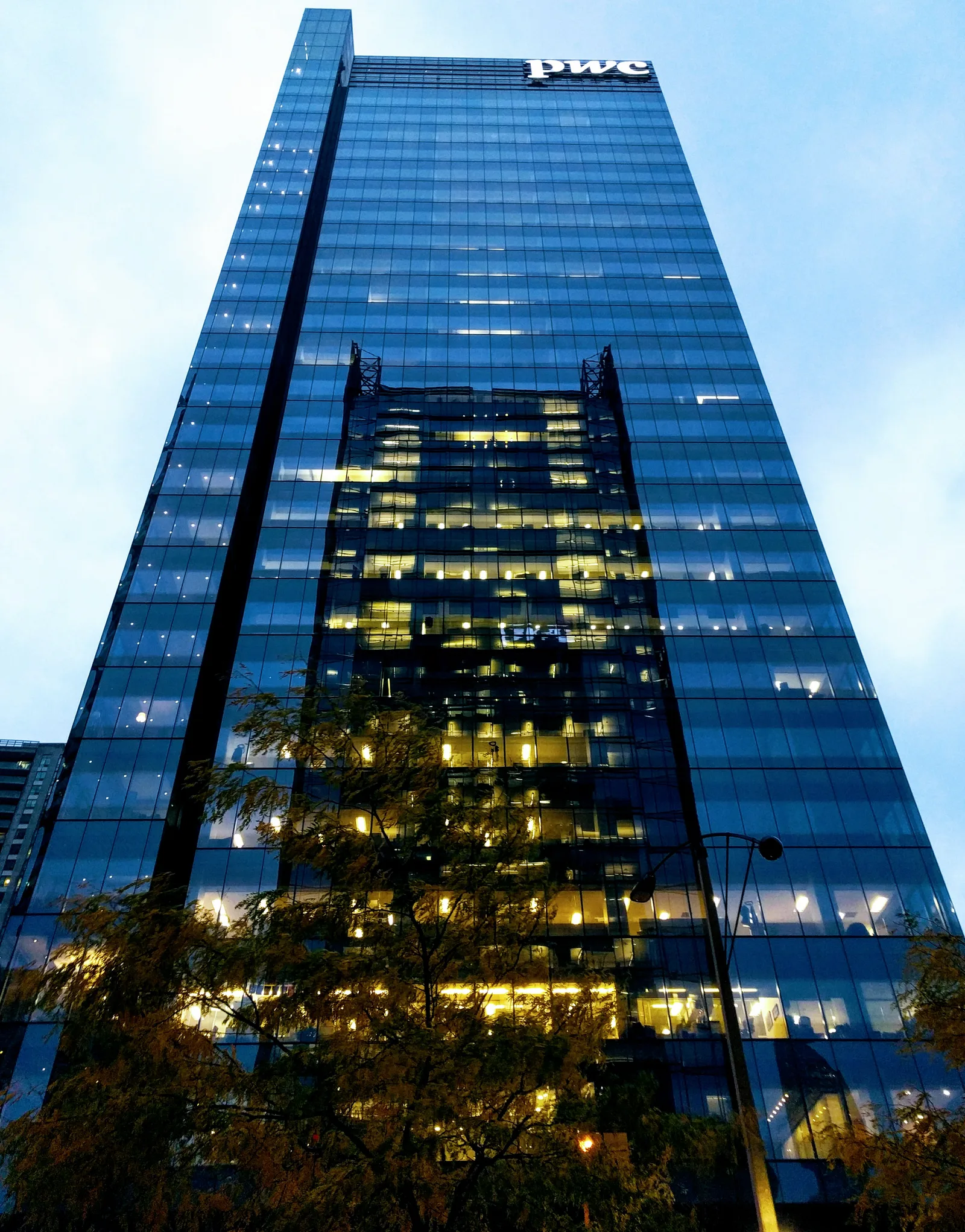
In a notice signed on 11 September 2026, PricewaterhouseCoopers Inc. (PwC) stated its intention to sell Allen-Vanguard’s business as a going concern. If a sale cannot be achieved, its stated fallback is to wind down the business immediately and liquidate its assets. PwC’s document index lists the notice under 14 September.
The proposed sale raises a defence industrial question: whether a transaction could preserve the people, technical knowledge and support arrangements associated with Allen-Vanguard’s electronic-countermeasures systems. The notice sets out an intended route through the receivership, but it does not establish that such continuity has been secured.
An unresolved sale process
The Ontario Superior Court of Justice (Commercial List) appointed PwC receiver and manager over the business assets of Allen-Vanguard Corporation and Allen-Vanguard Ltd. on 1 September. The application came from Contego AV Funding II, LLC and Contego AV Funding II-A, LLC.
These are two distinct Allen-Vanguard entities. Justice W.D. Black’s endorsement identifies Allen-Vanguard Corporation as headquartered in Ottawa and Allen-Vanguard Ltd. as headquartered in the United Kingdom. It describes the applicants as senior secured creditors and records the companies’ consent to the receiver’s appointment.
The endorsement also records that a sale process begun in August 2023 had not produced a transaction by the 1 September hearing. Negotiations with an interested party were under way at that point, though their outcome remained unresolved.
The later receiver’s notice therefore follows an earlier effort to find a transaction. Neither document confirms a buyer or a completed sale, and the conditional wind-down provision does not establish that the business has closed.
Continuity involves more than the assets
Allen-Vanguard’s product catalogue includes electronic countermeasures intended to protect against radio-controlled improvised explosive devices and drones. It lists the vehicle-mounted EQUINOX NG, portable SCORPION and ANCILE counter-drone systems, alongside technical threat analysis and field support. These remain the company’s descriptions of its portfolio, rather than confirmation of current delivery capacity.
The regulated nature of that business is addressed in the receivership order. Its provisions leave the companies responsible for controlled-goods and export-control compliance, including maintaining required registrations, authorizations and security measures. The order restricts the receiver’s direct operational control of the regulated business while preserving its oversight and court-supervised transaction role.
In Anvil North’s assessment, this makes a sale announcement only one step in assessing industrial continuity. The purchaser’s legal identity, the assets acquired, applicable approvals and arrangements for supporting existing equipment would need to be established before drawing conclusions about delivery and support.
A receiver’s report, proposed transaction and any subsequent court approval could clarify those questions. As of 15 September, however, the record reviewed for this article establishes neither a completed sale nor a company-wide closure. The practical outcome for the business remains contingent on how the sale effort proceeds.